The legislative instrument confirms that the updated versions of the alternative tests should be used in determining whether an entity passes the original decline in turnover test for JobKeeper fortnights starting on or after 28 September 2020 as well as determining whether an entity passes the new additional decline in turnover tests to access the JobKeeper extension from 28 September onwards.
If an entity has already passed the original decline in turnover test for a JobKeeper fortnight before 28 September 2020 then there is no need to apply the original test again.
The updated alternative tests released by the Commissioner of Taxation are broadly similar to the alternative tests that were released in connection with the original decline in turnover test. However, there are some key differences.
These have just been released, so we are putting together a framework to apply the tests.
We're here to help you if you need support to apply the alternative tests. Just contact our office on 03 5911 7000 for assistance.
Falling behind on your BAS lodgements looks like an administrative problem. Left long enough, it becomes an expensive one, because the GST you collected stays payable indefinitely while the GST credits you are owed disappear after four years. Here is what that looks like in dollars.
With negative gearing now quarantined for established dwellings, new house and land has become the sensible play for investors — but there is a trap in the first eighteen months. Interest on the land is denied, while interest on the construction is not. If the bank has written one loan, someone has to do the sums. Here is why it pays to split the loan before you sign.
When the draft legislation for the trust minimum tax was released, it came with a reassurance: if you do not want to restructure, you can simply make an election instead — no restructure, and no state stamp duty. That is accurate, but it is also a very small part of the decision. Here is why you should choose your structure for the eventual sale of your business, not for the announcement.
Treasury has released the draft legislation for the new 30% minimum tax on family trusts. From 1 July 2028, income earned by a family trust will carry a minimum tax of 30 per cent, paid by the trustee. Here is what it says in plain terms, what is not caught, and why the decisions worth making need to happen well before 2028.
The ATO will stop accepting direct credit card payments from 1 July 2027 — after the ATO extended the original deadline of 1 December 2026 to 30 June 2027 following community feedback — requiring businesses and individuals to switch to alternative payment methods such as debit card, BPAY, EFT or bank account direct debit. While the change affects only a small percentage of taxpayers, businesses that rely on credit cards to manage cash flow or fund ATO payment plans should act now to update arrangements, avoid missed payments and prepare for the cash flow impact of having tax obligations funded from available business funds.
Following the latest RBA cash rate increase, borrowing costs and financial pressure may rise for households, investors and business owners. We explain what the decision means and why now is a sensible time to review your lending, cash flow and broader financial strategy.
Hiring entertainers, promotional staff or event contractors for your Christmas function could create superannuation obligations you didn't expect.
Helping a family member buy a property may seem straightforward, but the way ownership is structured today could have significant tax consequences years down the track.
Working from home could have tax implications long after you've stopped claiming deductions. Here's what every business owner should know.
ASIC's director ID data matching is set to expose outdated company records. A quick review now could save you time, stress and unnecessary penalties later.
Just announced this week, draft legislation and explanatory materials with 15 DAY Consultation period!! Enough to give you a headache! These are NOT BETTER FOR YOU. It proposes an alternative to restructuring that would allow existing discretionary trusts to avoid the 30% minimum tax by fixing beneficiaries’ entitlements to income and capital, an apparently simple election with potentially significant long-term consequences.
As income grows, it's easy for spending to grow with it. This article explores practical strategies to help you make the most of your strongest earning years and build greater financial freedom for the future.
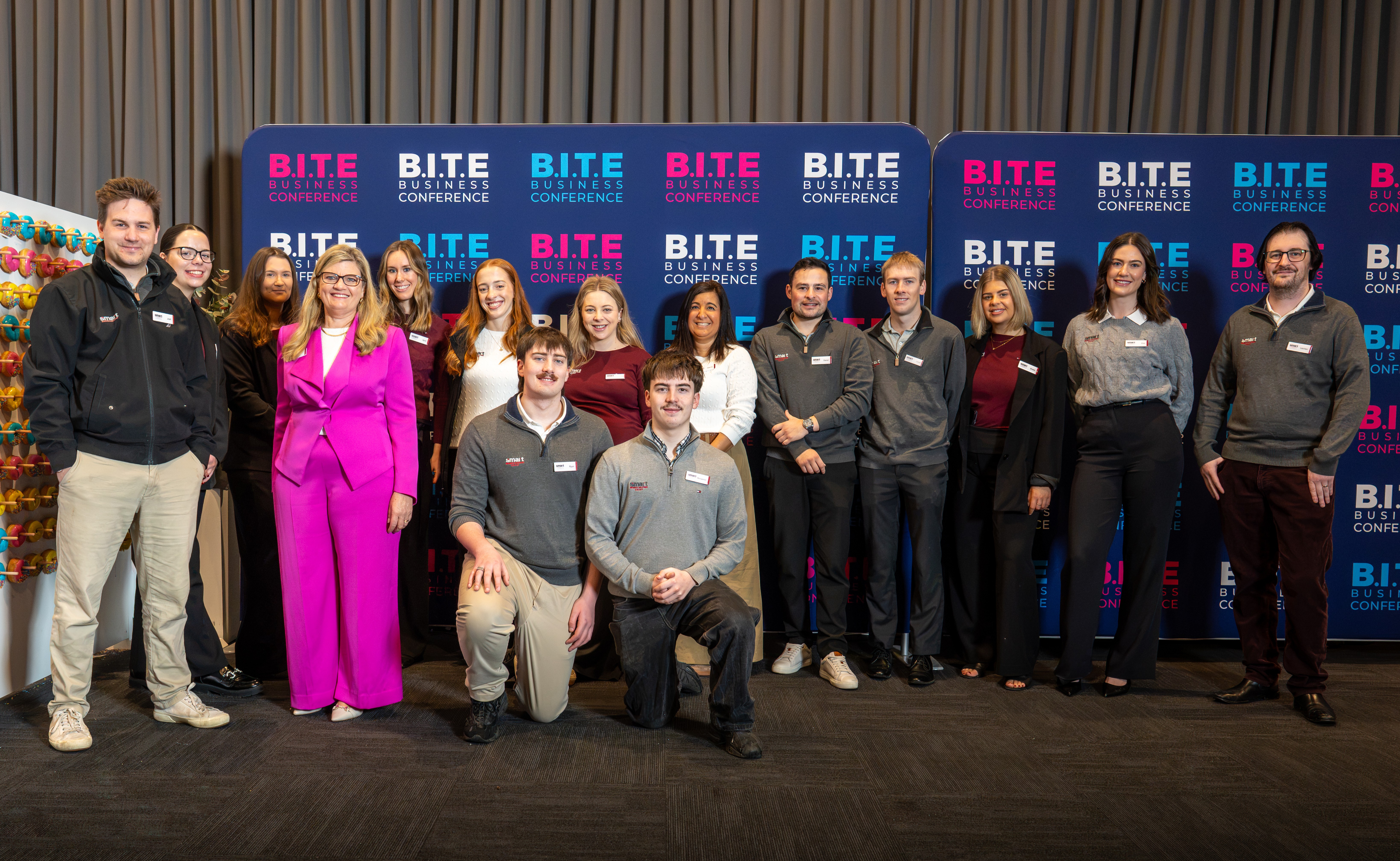
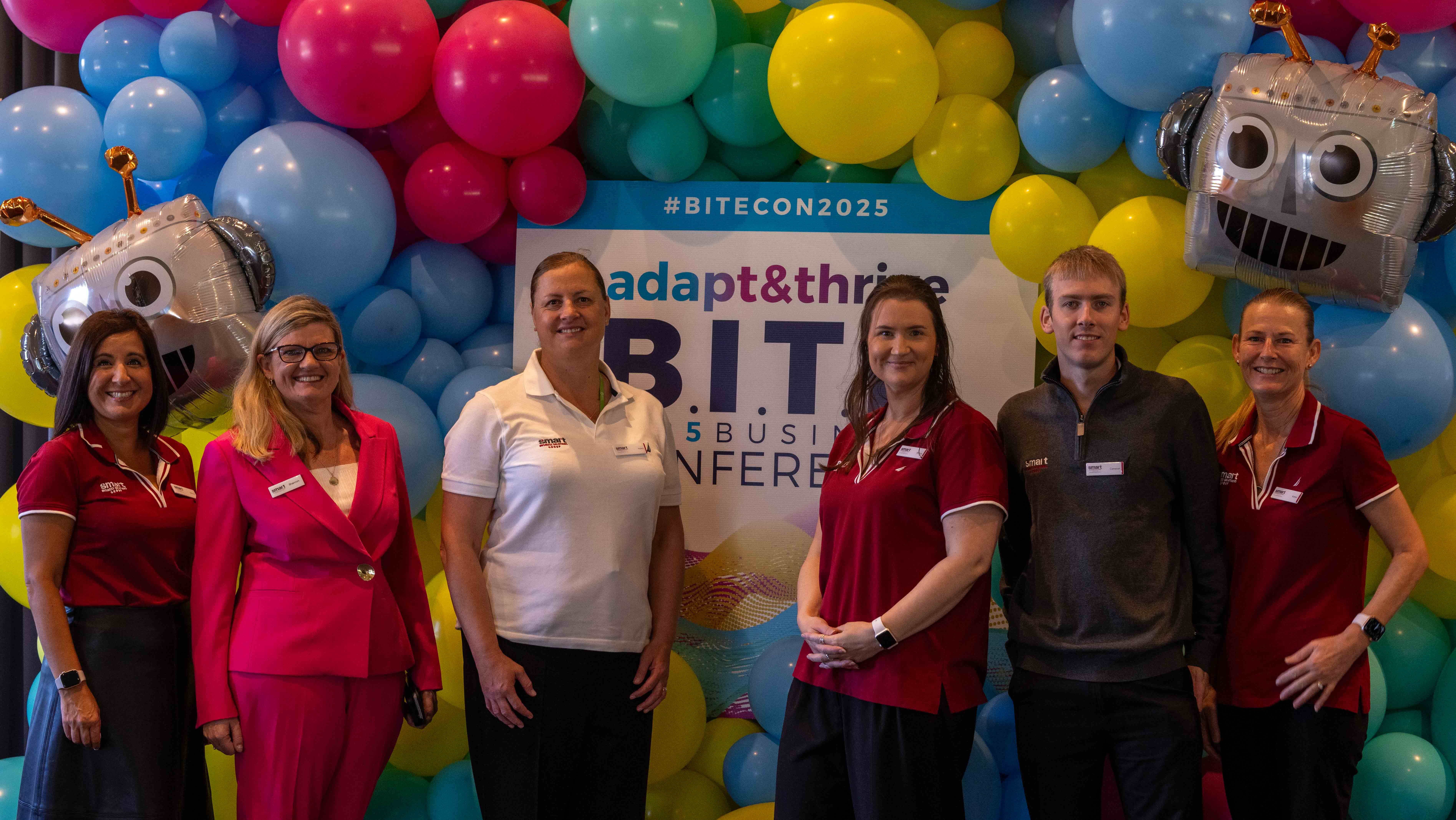
B.I.T.E. Business Conference 2026 brought together business owners, leaders and innovators for a day of inspiration, learning and connection. Take a look back at the highlights from another successful event.
Many SMSF members assume their Will determines who receives their super. However, without the right SMSF arrangements in place, the outcome may not be what you intended.
The ATO has updated its approach to holiday homes and short-term rentals, potentially affecting deductions claimed by some property owners. Understanding how your property is used could help you avoid surprises at tax time.
If family overseas is planning to send you money, it's important to have the right records in place. A recent court case highlights how difficult things can become when documentation is missing
| Borrowing through a family trust can be effective, but the wrong structure could put valuable interest deductions at risk. |
| Received an ASIC renewal or company review notice in the mail? Before you pay, here's how to spot third-party correspondence and avoid unnecessary costs. |
| Planning to buy property through your SMSF? A key rule change from 10 August 2026 could impact your options. Understanding the deadline now may help you avoid missing an important opportunity. |
| Working more than one job this year? You could end up paying less tax throughout the year and more at tax time. Here's why it happens and how to avoid an unexpected bill. |
The headlines say negative gearing is "gone." For most investors, that is not what the new law does.
From 1 July 2027, the 50% CGT discount will be replaced — for individuals, trusts and partnerships — by two mechanisms working together: indexation of the asset's cost base, and a minimum 30% tax on the resulting net gain.
For many business owners, superannuation is something that gets attention in June — when tax planning comes into focus. But the real opportunity lies in planning your super contributions at the start of the financial year, not the end.
The new financial year has officially clicked over – and with it comes the trio of mid-year obligations every employer needs on the radar: Single Touch Payroll (STP) finalisation, WorkCover declarations, and Payroll Tax annual reconciliation.
| The Fair Work Commission (FWC) has handed down its 2026 Annual Wage Review, and the numbers are in. From 1 July 2026, the national minimum wage will rise by 5.97%, and modern award minimum rates will increase by 4.75%. |
Now's the time to review what strategies you can use to minimise your tax before 30 June.
The Federal Budget, delivered on the night of May 12 2026, was one of the most significant in years. We know you will have questions — and we have put together this document to answer the ones we are hearing most.
The 2026–27 Federal Budget brings major changes to CGT, negative gearing, trusts and super. Find out what it means for you and your business.
The ATO has released Draft Practical Compliance Guideline PCG 2026/D2, and it’s very clear where they’re focusing next, property development structures, particularly where land ownership and development activities are split.
Tax planning is more than just a financial necessity—it's a strategic advantage for businesses of all sizes. By proactively managing your tax strategy, you can significantly reduce your liabilities, enhance cash flow, and ensure full compliance with ever-evolving tax regulations.
To maximise your deductions and ensure that your tax return is complete, please review the following items and advise your Accountant if any apply to you.
Understand what expenses you can claim as a property investor.
Everyone wants to pay less tax, right? To do that you need to know what you can claim… and what you can’t.
Now's the time to review what strategies you can use to minimise your tax before 30 June.
Whether you need to finalise Single Touch Payroll data or produce payment summaries, this checklist will help you navigate the end of year payroll process from start to finish.
On 31 March, the Fringe Benefits Tax (FBT) year ends. With the ever increasing budget deficits, the ATO will be reviewing whether all employers who should be paying FBT are, and that they are paying the right amount. Who needs to lodge a FBT return? Find out here.
If you’re a director of a small business, Payday Super isn’t just an HR or payroll issue. It’s a governance issue that could directly affect your personal legal exposure.
Payday Super doesn’t just change when you pay super. It also changes how super is calculated. If you’re a small business owner, it’s important to understand these shifts — because they could affect how much you owe and for which employees.
One of the most important things to understand about Payday Super isn’t just that you need to pay super more often. It’s that the consequences of getting it wrong are more severe than under the current system.
If your business uses the ATO’s Small Business Superannuation Clearing House (SBSCH) to process super payments, this is important: the service is shutting down on 1 July 2026, and it’s not coming back.
When Payday Super kicks in on 1 July 2026, it won’t just change when you pay super. It will change how much your payroll system has to do, how often it has to do it, and how little room there is for error.
From 1 July 2026, the new Payday Super rules require you to pay super at the same time as your employees’ wages. For small businesses, this is one of the most impactful changes in years - and the biggest area it will hit is your cash flow.
If you employ staff, one of the biggest changes to hit your business in years is coming on 1 July 2026. It’s called Payday Super, and it fundamentally changes how and when you pay superannuation.
A car fringe benefit commonly arises when an employer makes a car they own or lease available for the private use of an employee.
The Australian Government is revising tax incentives for electric vehicles, including phasing out Fringe Benefits Tax (FBT) exemptions for plug-in hybrid electric vehicles (PHEVs). Businesses providing these vehicles to employees must understand the impact of these changes and take necessary steps before the deadline.
Why should you lodge an FBT return where no FBT is payable? Well, for the simple reason that it turns on a three-year deadline for the ATO to commence audit activities. This is a NEW ATO rule as a result of massive deficits due to COVID. The ATO need to gain more funds somehow...FBT liability is one of the methods.
New legislation before Parliament, if enacted, will make zero or low emission vehicles FBT-free. We explore who can access the concession and how.
An everyday occurrence across the business landscape in Australia is the practice of taking both existing and potential clients out for a meal to cement the business relationship, with the cost of this meal often covered by one party.
The ATO has signalled that there will be an increased focus on FBT this year. Given the ever-improving tools at the ATO’s disposal, in conjunction with the government’s need to raise additional revenues, it is important that employers ensure they remain compliant with their FBT requirements.
Excellence in Inclusivity and Accessibility recognises businesses for their leadership in creating welcoming, inclusive spaces and ensuring accessibility for all. In this episode, the award-winnings share how inclusion isn’t just the right thing to do - it’s a smart business move.
The Local Community Connection Award recognises businesses with a commitment to strengthening the Mornington Peninsula community through networks, partnerships and social contributions. This episode features the award-winners as they share practical strategies, proven approaches, and inspiring stories that show how community connection isn’t just good for people - it’s sound business practice.
Understanding the 3 stages of retirement and what they mean for your money, and how to future proof your retirement income.
SMART Business Solutions is proud to announce its recognition as the winner of Excellence in Local Community Connection (Medium–Large Business) and Excellence in Access and Inclusion at the 2025 Mornington Peninsula Business Excellence Awards.
It might seem like a clever strategy - moving surplus business cash into your personal mortgage offset account to save on home loan interest, then shifting it back to the company around tax time. But there’s a catch: the ATO sees this, and they’re not fans.
Running a small business has always been personal. Every sale, every setback, every sleepless night - it all comes back to the same person: the owner.
A staggering 93% of small business owners reported higher costs this year, while 64% saw profits fall. Taxes, wages, and insurance top the list of pressures, with taxes ranked as the number one cost by half of respondents of a recent report.
Australia’s small business sector has always been defined by its resilience - but the latest Council of Small Business Organisations Australia (COSBOA) and CommBank Small Business Perspectives Report 2025 shows that resilience is being tested like never before.
The ATO is tightening the screws. They’ve issued a clear warning to businesses: stop inflating or falsely claiming GST. And they’re not just making noise - thanks to advanced data-matching and technology, they’re more capable than ever of spotting discrepancies.
What happens when a trusted employee of 15+ years claims they’re owed over $20K in backpay? For one small business owner, it meant stress, legal letters — and a powerful reminder of why investing in the right accounting and bookkeeping partner pays off.
Running a business is rewarding—but it also brings financial challenges. Whether you’re facing a shortage of cash during slower months or reveling in a boom and worried about the tax bill that follows, one thing remains constant: you need a clear plan.
Learn how expert business consulting can improve cashflow, profit and team performance, and how Smart turns strategy into sustainable success.
There’s a quiet shift happening within the ATO, and it’s catching a lot of businesses off guard. The ATO is using its newly enhanced Risk Engine, now powered by artificial intelligence, to comb through business financials with greater speed, accuracy, and scrutiny than ever before.
Shannon Smit, Founding Director of Smart Private Wealth, has been awarded the prestigious Excellence in Innovation award at the 2025 Count Financial Awards, recognising her ground-breaking leadership in transforming how financial advice and professional services are delivered in Australia.
We’ve all seen it: slick social media reels, perfectly filtered property gurus, and bold AI influencers promising fast wealth. But in Australia’s regulated finance and property landscape, chasing that hype can lead to more heartbreak than haul.
This past financial year brought a wave of opportunity—and many super funds delivered, with double-digit growth across key asset classes. The big question: is your fund among the top performers?
More and more Australians managing their own super through SMSFs are outperforming the country’s largest funds—and they’re doing it with calm confidence, not complexity.
Discover how the ATO’s data-matching program works and how staying informed can help you prepare your taxes with clarity and confidence.
Late super payments can cost your business thousands in tax, penalties, and even personal liability. Here’s how to avoid the spiral and protect your future.
| Over the past year, the accounting profession has been going through some significant changes, and many small business owners are only just starting to feel the impact. Updates to the Tax Agent Services Act (TASA) have lifted the standard around how tax and accounting services are delivered, with a stronger focus on transparency, professionalism, and client protection. |
To be eligible to make a downsizer contribution to your super, you must be aged 55 or older and have owned your home for at least 10 years prior to the sale.
The investment market volatility that kicked off in March 2025 has felt like a punch, particularly for those in or nearing retirement.
Struggling with loan repayments? Discover the truth about financial hardship arrangements, how they impact your credit, and the proactive steps you can take to regain control.
Start the new financial year with confidence. Discover practical strategies to refocus your goals, improve cashflow, strengthen client relationships, and build a smarter, more resilient business.
Avoid common EOFY mistakes with our expert guide for small business owners. Discover proactive strategies to boost financial health and plan confidently for the year ahead.
Passing on wealth is about more than writing a will—it’s about creating clarity, avoiding conflict, and empowering the next generation. With Australia’s largest intergenerational wealth transfer already underway, it’s never been more important to approach succession with care, strategy, and forward thinking.
When someone passes away with superannuation savings, the taxable component of their balance can trigger a 17% tax hit if left to a non-dependant. It’s a heavy financial burden, particularly for adult children. But recent private binding rulings from the Commissioner of Taxation offer a smarter way forward.
Estate planning isn’t just for the wealthy or elderly—it’s for anyone who wants peace of mind that their hard-earned assets will be passed on the way they intend. Yet, it remains one of the most overlooked areas of financial management.
At the end of each financial year, your accountant prepares essential documents like financial statements, tax returns, and compliance reports. But what brings it all together? That’s where the Management Letter comes in.
Treasury has released exposure draft legislation for Payday Super that will require employers to pay superannuation at around the same time as salary and wages are paid to the employee. The changes are proposed to commence from 1 July 2026.
The Government’s big moment in the 2025-26 Federal Budget was the personal income tax cuts. Income tax cuts are a dazzling headline but in reality they deliver a tax saving of up to $268 in the 2026-27 year, with a tax saving of up to $536 from the 2027-28 year.
Paying off your mortgage is a significant financial milestone, but once you’ve reached the halfway mark, what’s the best next step? Should you continue aggressively paying it down, start investing, or focus on building your superannuation?
Self-Managed Super Funds (SMSFs) offer Australians greater control over their retirement savings, and property investment is one way people can take advantage of this flexibility.
With the right strategy and financial discipline, borrowers can take full advantage of rate cuts and get ahead on their mortgage, potentially saving hundreds of thousands in interest.
Small businesses with a history of non-compliance may be required to transition to monthly GST reporting starting in April, as part of an initiative by the Australian Taxation Office.
How a trust distribution resolution is worded directly impacts the tax liability. It is important not because it determines what is taxable but because it is the basis for determining where the tax liability falls.
One of the most effective ways to gain a competitive edge is by attending business conferences, where industry leaders, experts, and innovators come together to share knowledge, insights, and opportunities.
Business owners with private companies must understand Division 7A of the Income Tax Assessment Act when withdrawing funds. Unlike wages or dividends, these withdrawals may be treated as loans or drawings, and Division 7A ensures they are not automatically tax-free, preventing potential tax implications.
In the lead up to 30 June, we want you to know why using a bucket company can be a great strategy for saving tax on trust profits distributed.
In today’s fast-paced world, productivity has become a paramount concern for professionals and business owners alike. We constantly strive to optimise our workflows, eliminate inefficiencies, and maximise the value we derive from every minute of our day. One of the key steps in achieving this is recognising the habits and tasks that drain our productivity and replacing them with more effective strategies.
As Australia's highest marginal tax bracket impacts more individuals, a growing number of Australians face rising tax obligations due to "bracket creep," where wage growth outpaces tax rate adjustments. This trend is expected to persist, with tax-efficient strategies the backbone for financial advice to help individuals secure long-term wealth.
Discover 9 essential financial planning tips to help new and expecting parents manage the costs of parenthood with confidence and ease.
The Taxable Payments Annual Report (TPAR) is a mandatory report for Australian businesses in certain industries to disclose contractor payments to the ATO by August 28 each year, ensuring accurate tax reporting.
Starting July 1st, 2024, non-profit organisations (NFPs) in Australia with an ABN, but not recognised as charitable, must annually submit a NFP self-review return to the ATO to confirm their tax exemption status. This process involves three main sections:
Systemisation is the backbone of a successful business. It is the process of creating repeatable and efficient workflows that streamline operations, reduce stress, and foster growth. This blog explores why businesses should embrace systemisation, how they can implement it, and what types of businesses stand to benefit the most.
Building on the findings from Xero Small Business Insights (XSBI) report, Small business productivity: Trends, implications and strategies, this special report presents industry and regional labour productivity data for small businesses.
The main residence exemption exempts your family home from capital gains tax (CGT) when you dispose of it.
It’s essential that any income earned from sharing economy platforms such as Airbnb, Stayz, Uber, etc., is declared in your tax return.
Legislation increasing the instant asset write-off threshold from $1,000 to $20,000 for the 2024 income year.
Will 2024-25 be another year of volatility or a return to stability?
Budget 2024-25 is a pre-election budget for the people with everyone getting a little something to ease cost of living pressures. For business, there is the extension of the $20k instant asset write-off again.
Secured business loans play an important role in supporting small business owners.
Falling behind on your BAS lodgements looks like an administrative problem. Left long enough, it becomes an expensive one, because the GST you collected stays payable indefinitely while the GST credits you are owed disappear after four years. Here is what that looks like in dollars.
With negative gearing now quarantined for established dwellings, new house and land has become the sensible play for investors — but there is a trap in the first eighteen months. Interest on the land is denied, while interest on the construction is not. If the bank has written one loan, someone has to do the sums. Here is why it pays to split the loan before you sign.
When the draft legislation for the trust minimum tax was released, it came with a reassurance: if you do not want to restructure, you can simply make an election instead — no restructure, and no state stamp duty. That is accurate, but it is also a very small part of the decision. Here is why you should choose your structure for the eventual sale of your business, not for the announcement.