Legislation increasing the instant asset write-off threshold from $1,000 to $20,000 for the 2024 income year passed Parliament just 5 days
prior to the end of the financial year.
Purchases of depreciable assets with a cost of less than $20,000 that a small business makes between 1 July 2023 and 30
June 2024 can potentially be written-off in the year of purchase. It’s a major cashflow advantage because the tax deduction can be taken in
the year of purchase instead of over a number of years.
To be eligible, the asset must be first used, or installed ready for use, for a taxable purpose between 1 July 2023 and 30 June 2024. For
example, you cannot simply have a receipt for an industrial fridge, it must have been delivered and installed to be able to claim the
write-off in 2024.
The write-off threshold applies per asset, so a small business entity can potentially deduct the full cost of multiple assets across the
2024 year as long as the cost of each asset is less than $20,000. A Bill to extend the instant asset write-off threshold increase to 30 June
2025 is currently before Parliament.
While keeping assets the best option for many, it’s important to ensure that you’re in the best possible position.

As goals-based advisers, we start off with helping you articulate what’s important to you to develop smart financial strategies to make it all possible.

A Business Recovery Planning session requires you to reconsider all aspects of your business to ensure its best chance of recovery. We'll work with you to develop a concise Business Recovery Plan and clarify the future direction of your business.

News headlines recently stated that casual workers have won the right to paid leave following a decision in the Federal Court. As usual, the devil is in the detail.

Important need-to-know changes for Australian business owners as at 1st July 2020.

The ATO is looking carefully at businesses that appear to have made adjustments to their circumstances to meet the JobKeeper eligibility requirements where, if those adjustments had not been made, the entity would have been ineligible or had lower JobKeeper payments.

This has probably been the most difficult year ever for business owners due to the impact of COVID-19. As a business owner, there are many obligations that you need to consider and action just before and after 30 June.

Success in generating long-term wealth has a lot to do with awareness of the tricks money can play on your mind. How many of these do you recognise?

For many people, super is one of the best ways to grow your wealth, as it provides significant tax concessions to help you save for retirement.

If you’re looking to grow and protect your retirement wealth, there are some important lessons you can learn from the investment strategy rules of super funds.

There are many types of investment vehicles to choose from, with managed funds one of the most popular choices in Australia. Here we help you work out which combination is right for you.

Insuring your car, home or other possessions makes sense. So why do so few of us insure ourselves? If illness or injury stopped you from working for an extended period, could you keep paying your bills?
Whenever there is a change to your financial situation, a review of your financial plan is necessary – even more so when a complicated matter like splitting superannuation is involved.

As COVID-19 struck, Australian businesses had to rapidly evolve and implement new ways of working with very little warning or preparation. Whilst many companies have successfully adjusted to their 'new normal', it's also time to consider what the future holds for employers.

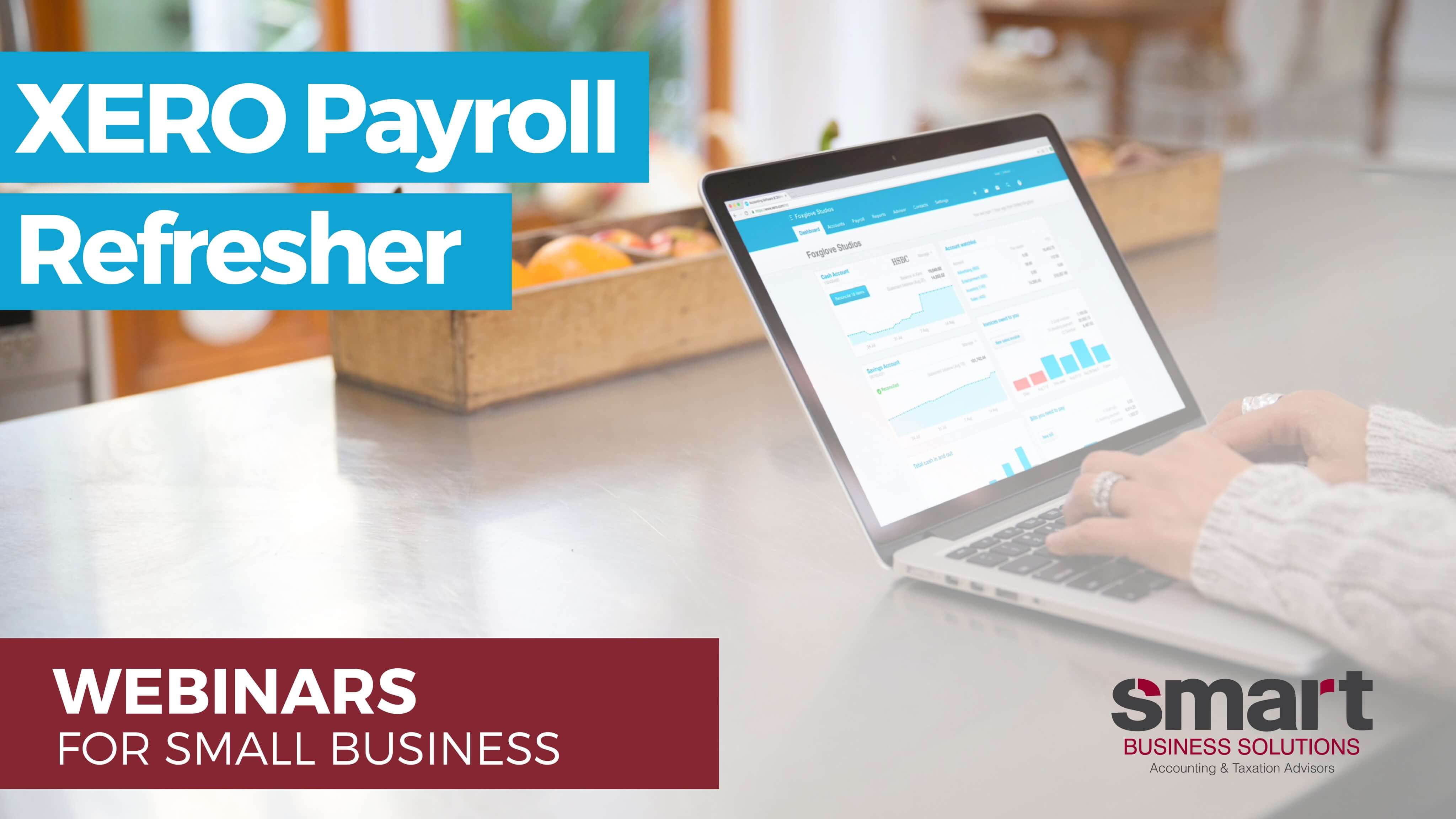
Our payroll refresher webinar will cover an overview of Xero’s payroll function. We’ll touch on new features, tips and tricks, auto superannuation, and finish with a demonstration of finalising and submitting Single Touch Payroll (STP) reporting at year-end.

April was an interesting month for financial markets. Coronavirus-related restrictions remained in place globally and the economic growth outlook remained dire.
An effective business planning process gets to the heart and soul of your business.
This session will require you to take time out from day to day activities in the business to focus on the business. Together we’ll review
your past performance and clarify your future direction.

Moratorium on evictions and rent relief

Estate planning involves much more than having an up-to-date Will. It is important to ensure that your assets are distributed in the most effective manner and without adverse tax consequences for your beneficiaries.
Self-managed superannuation funds (SMSFs) are a popular option for investors seeking greater control over their retirement savings.


Brandon has recorded a video on how to process JobKeeper in Xero. Just minutes after he finished, Xero updated further to include a basic last month turnover calculator too!

Core Values are the essence of a company’s identity; they support the vision and shape the culture of an organisation. Core Values cannot be plagiarised and made to fit an organisation. They need to be developed from within to be authentic to your company and your team.

The JobKeeper subsidy represents the largest single stimulus initiative ever offered to Australian business. A payment of $1,500 per fortnight for each eligible employee for a period of up to 6 months is a massive underwrite of the Australian economy and already hundreds of thousands of businesses have registered their interest to participate in the scheme. Under this scheme many businesses will be receiving tens or hundreds of thousands of dollars over the six-month period. You cannot afford to get this wrong.

UPDATED 13th April - Businesses significantly impacted by the coronavirus outbreak will be able to access a subsidy from the Government to continue paying their employees. THIS INCLUDES SELF-EMPLOYED!!

BAS time seems to come around quicker and quicker! Here are some tips to try and make it a little easier! We have also included a summary of common errors we see, take a look to ensure you don’t do these.
How do you manage cashflow during the best of times? What about during the worst of times?
With the economy tipping GFC point due to the coronavirus outbreak, the harsh impact is felt directly by small business. So how do you ride
the waves during economic changes?

It is essential that every business has a plan for dealing with the fallout from this pandemic.
A plan will give you peace of mind and clarity for decision-making for the future of your business, and ensure you access Government support
entitlements and maximise opportunities to preserve your cashflow and profitability.

Funding of $10,000 per business is available and will be allocated through a grant process.
.jpg)
Does your business rent a commercial property from your SMSF? You can now give your business reduced rent because of COVID-19 to ease the
pressure on your business.

The Federal Government has secured passage of the $189bn economic stimulus package proposed to support businesses and keep Australians in
jobs, but how does that apply to you?

In the past week or so, we’ve seen share markets fall on the back of growing concerns about the spread of the coronavirus. At times of heightened market volatility, it’s easy to fear how your superannuation and other investments might be affected, but it’s important to understand the nature of market movements before making any sudden decisions.

We know that even the smallest changes can have a big impact on your finances.
Falling behind on your BAS lodgements looks like an administrative problem. Left long enough, it becomes an expensive one, because the GST you collected stays payable indefinitely while the GST credits you are owed disappear after four years. Here is what that looks like in dollars.
With negative gearing now quarantined for established dwellings, new house and land has become the sensible play for investors — but there is a trap in the first eighteen months. Interest on the land is denied, while interest on the construction is not. If the bank has written one loan, someone has to do the sums. Here is why it pays to split the loan before you sign.
When the draft legislation for the trust minimum tax was released, it came with a reassurance: if you do not want to restructure, you can simply make an election instead — no restructure, and no state stamp duty. That is accurate, but it is also a very small part of the decision. Here is why you should choose your structure for the eventual sale of your business, not for the announcement.