It’s a great headline isn’t it? Spend $100 and get a $120 tax deduction. Days after the Federal Budget announcement that businesses will
be able to claim a 120% deduction for expenditure on training and technology costs, we started receiving marketing emails encouraging us
to spend now to access the deduction.
But, there are a few problems. Firstly, the announcement is just that, it is not yet law. And, given the Government is in caretaker
mode for the Federal election, we do not know the position of the incoming Government on this measure. And, even if the incoming
Government is supportive, we are yet to see draft legislation or detail to determine the practical application of the measure.
What happens if i have already spent money on training and technology in anticipation of the bolstered deduction?
If the measure becomes law, and the start date of the measure remains the same, we expect that any qualifying expenditure incurred in the 2021-22 financial year will be claimed in your tax return. But, the ‘boost’, the extra 20% will not be claimable until the 2022-23 financial year.
If the measure does not come to fruition, you should be able to claim a deduction under normal rules for the actual business expense.
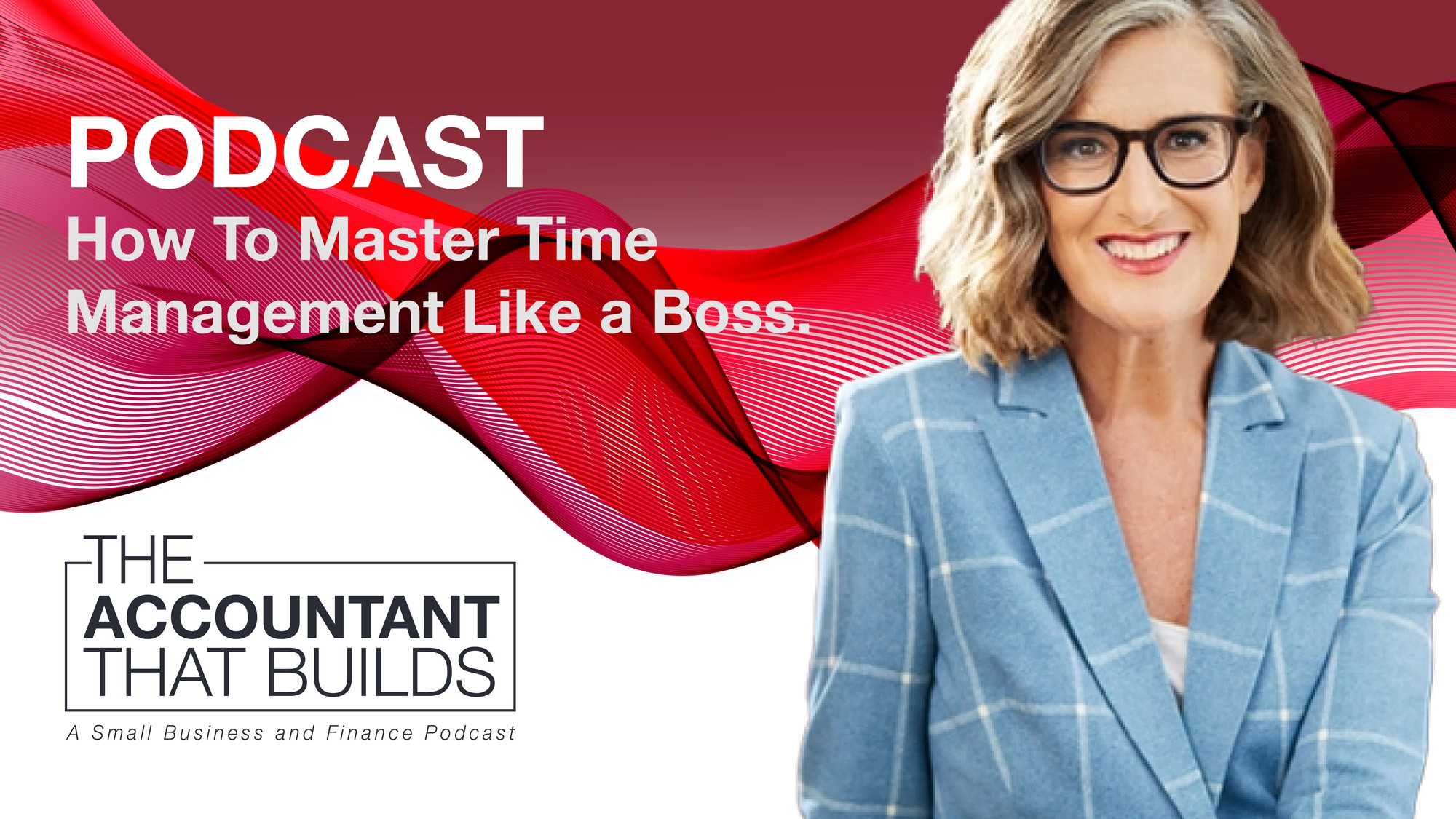
It’s time to take control of your time. It’s time to stop being ‘busy’ and start being ‘productive’. It’s time to learn how to invest your time to create your best life. Kate Christie has taught time to thousands of professionals and business owners around the world – exactly how to find hours of extra time and then design their best lives. What would 30 extra hours a month mean to you?
We are thrilled to announce that SMART Business Solutions Group has been awarded the prestigious Multiservice Firm of the Year at the 2024 Australian Accounting Awards! This recognition is a testament to our commitment to excellence, innovation, and the comprehensive range of services we provide to our valued clients.
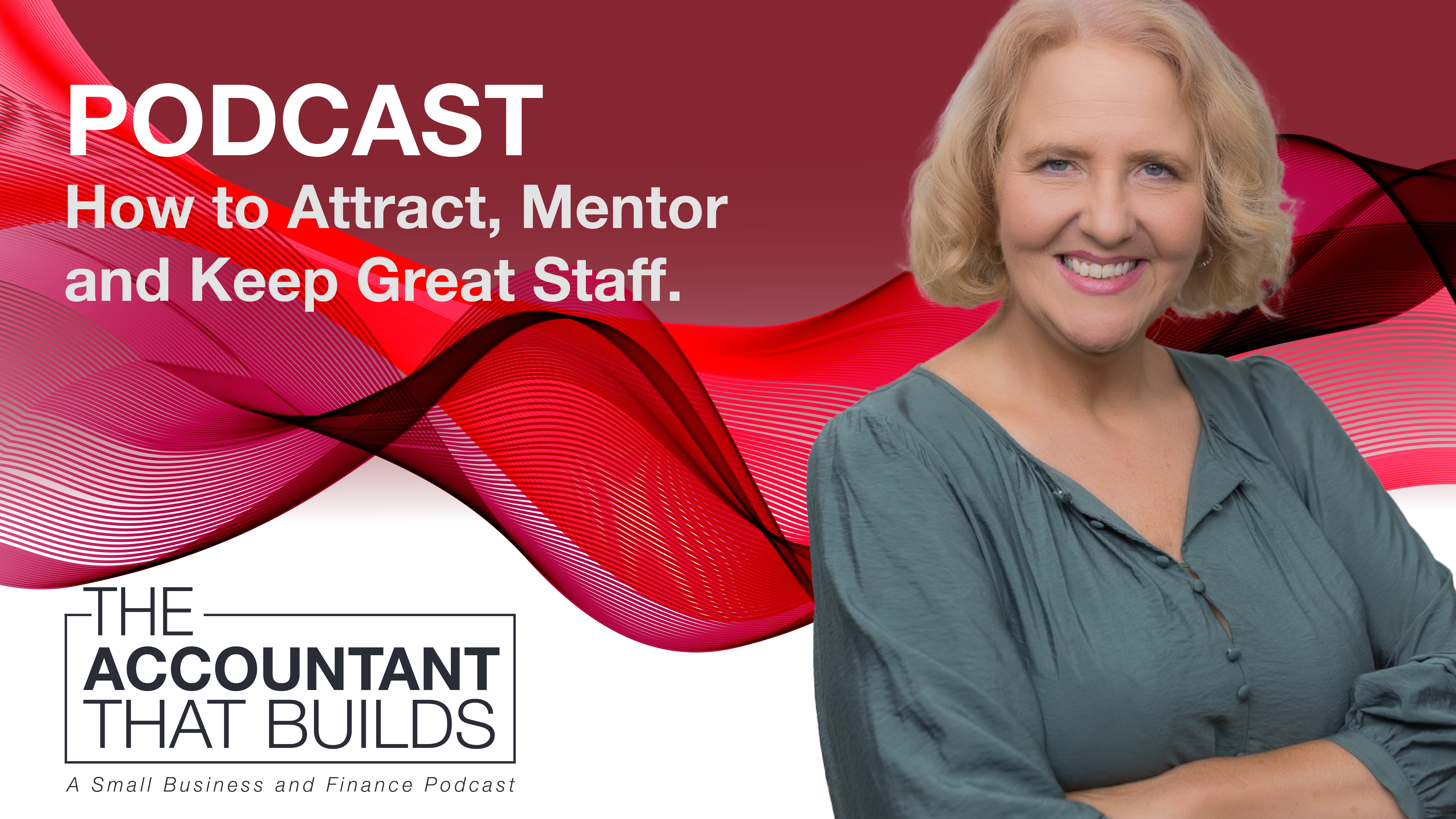
Heather Gallagher has spearheaded transformative initiatives in the mortgage broker space through her role as Head of Training and Education at outsource Financial. She has been instrumental in empowering brokers and administrative staff through tailored mentoring programs and weekly learning sessions.
One of the main considerations when applying for a car loan as a casual worker is your income.
Property prices could be about to climb higher with new analysis predicting the major capital cities will see significant growth in the next three years.
Property prices have hit yet another record, with capital city house prices rising by 1 percent.
Accommodation payments (called Refundable Accommodation Deposits – RADs for short) are one of the most misunderstood areas of residential
aged care. Many people don’t realise that a RAD is not “lost” money but is refundable when you leave care or pass away.
Creating equity isn’t always about spending time in the market. You can also manufacture equity if you buy well and implement some proven strategies.
This year’s Federal Budget focussed on the rising costs of living and how to help Australians manage. Before the Budget there was speculation that we would see changes for aged care funding and fees, but what made it into the Budget?
RADs, DAPs, MPIRs, MTAs and ACATs !! These are just a few of the acronyms you will face when navigating aged care decisions. It might even feel like you’ve landed in a foreign country where you don’t understand the language or the rules.
Explore the world of self-managed superannuation funds (SMSFs) with expert Shannon Smit as she shares insights on wealth-building, retirement planning, and investment strategies using super as a vehicle.
Your credit score is a track record of how you manage debts.
Before getting into the specifics of property division, it's important to understand the concept of legal ownership.
Close The Dream Gap. Starting at age 5, many girls begin to develop limiting self-beliefs. They stop believing their gender can do or be anything. This is the Dream Gap.
Asset leasing provides businesses with several advantages, an attractive option for acquiring essential equipment and machinery.
New warehouses on the back of rising interest rates, new construction is expected to rebound as tenant pre-commitments firm up and demand rises.
Despite electric vehicles growing in popularity there is still a need for traditional service stations, according to an expert.
It’s important to initiate transparent communication with tenants well in advance of listing the property for sale.
Budget 2024-25 is a pre-election budget for the people with everyone getting a little something to ease cost of living pressures. For business, there is the extension of the $20k instant asset write-off again.
Secured business loans play an important role in supporting small business owners.
Secured business loans play an important role in supporting small business owners.
Join Shannon Smit as she interviews Sharyn McClafferty, CEO of Slipstream Group, in a podcast episode discussing leadership, team growth, and the value of continuous learning and development for business success.
With rising interest rates hurting sentiment across the commercial property sector, 2024 is now shaping up to be “better than expected.
A Self-Managed Super Fund (SMSF) is a type of superannuation fund that gives members greater control over their retirement savings.
LIVE EVENT
3rd May 2024
Welcome to Mornington Peninsula's original pop-up pre-loved market with a difference. Fashion For A Cause is a not-for-profit
fundraiser event. Grab a fashion bargain or unique piece, wine with friends, bid on silent auction items, all to raise funds for Clothes
4U.Inc. All proceeds from the event including stall sales, ticket sales and clothing purchases on the night will be
double-dollar-matched and donated to Clothes 4U Inc.
The ATO has made a call to professional accountants to help identify and manage illegal early access to superannuation by members of SMSFs.
It’s important that generational succession is managed as closely and diligently.
The great wealth transfer from the baby boomer generation has begun and home ownership is the catalyst.
The ATO is cracking down on business owners who take money or use company resources for themselves.
Going through a divorce or separation is undoubtedly challenging, but it's essential to take control of your financial future. By understanding the impact of separation on your assets, seeking professional advice, and creating a solid financial plan, you can navigate this difficult time with confidence.
Technology has transformed the way businesses operate, allowing them to reach new customers, expand into new markets, and improve operational efficiency.
Scaling up a business is not just about increasing revenue or expanding into new markets; it's about creating a solid foundation for sustainable growth.
Every business, regardless of its size or industry, shares a common goal: to grow and thrive in a competitive market.
A new issues paper from Treasury’s Competition Review questions whether non-competes and other restraints are limiting job opportunities and movement.
For many small business owners, their business is their largest asset and for many, one that is expected to help fund their retirement.
The ATO has signalled that it is willing to pursue professional services firms who divert profits to avoid tax.
The 2024-25 Federal Budget is the third for the Albanese Government and consistent with previous years, the primary themes are expected to be the cost of living and the economic shift to net zero.
The ATO has issued a warning to trustees of SMSFs about sloppy valuation practices.
The ATO has issued a warning to trustees of SMSFs about sloppy valuation practices.
In this episode we explore the key areas in your business that you can influence to promote growth, adapt the seven ways to grow for your unique business, and understand how these strategies impact your profit and cash flow.
Equipment finance means there is a viable solution for businesses grappling with cash flow management amid equipment upgrades.
The build-to-rent sector (BTR) is set to outperform traditional buy-and-hold commercial investments.
A Shareholders Agreement is a legally binding contract negotiated by the shareholders of a company, designed to govern their relationship, business arrangements, rights, responsibilities, obligations, and liabilities. It supplements the company's constitution by addressing matters not covered therein, thus offering more comprehensive protection and clarity.
Tourism assets are seeing demand return as a host of high-profile artists and entertainers make their way back to Australia.
For the first time in nearly two decades, retail assets have seen the largest portion of all commercial transactions.
Things to consider before investing in multigenerational living. What do rising geopolitical tensions mean for investment markets? This and more in Issue 16 of SMART Life.
As conflicts between nations flare into open armed warfare and elections around the world become more contentious, there’s plenty to spike investor concern. We look at how wars and political tensions influence investment markets over the long term and examine the im- plications for your retirement savings.
As cost-of-living pressures bite and family members look for ways to support each other, multi-generational living is being discussed as a solution. Pointing out the potential, property researcher CoreLogic identified more than 655,000 residential properties as being suitable for a granny flat in Australia’s three biggest cities.
For many business owners, superannuation is something that gets attention in June — when tax planning comes into focus. But the real opportunity lies in planning your super contributions at the start of the financial year, not the end.
The new financial year has officially clicked over – and with it comes the trio of mid-year obligations every employer needs on the radar: Single Touch Payroll (STP) finalisation, WorkCover declarations, and Payroll Tax annual reconciliation.
.jpg)




















.jpg)