Every business owner is naturally curious about just how much their business is worth. However, for every business that sells at an attractive price, there are others that struggle to sell, let alone fetch a premium. The question is, what makes a difference?
When you come to sell a business the first question is, what are you selling? In most cases, this is fixtures and fittings, plant and
equipment, stock on hand, and the goodwill of the business. Generally, a buyer won’t want to purchase your liabilities or your business
structure, nor will they want to collect your outstanding debtors. Most business sales become a sale of business assets.
These assets are relatively easy to value with the exception of the goodwill. The value of plant and equipment and trading stock can
generally be agreed. The tension tends to be around the value of the goodwill because goodwill is made up of many intangible assets that
can’t be readily quantified.
We can all agree that there is value in these assets but the question is, how much? Goodwill is basically the value of the future free
cashflow of the business. Based on how your business is structured, it is the value of the profits the business can generate in the
future. This is what a buyer is prepared to pay for.
If a buyer has a reasonable certainty of profits and free cashflow in the future, then this is worth something. By comparison, a start-up
business will have a higher level of risk and no certainty that profits can be generated. In general, a new business may need to trade for a
number of years at a loss before it can establish itself and generate profits. Goodwill is what you are prepared to pay to avoid the
risk and the ‘time to establish’ factor.
So, what influences business value and what will people pay for?
It is possible to get a price that is widely different from the norm. Unique businesses, unique circumstances, and unique opportunities can
always produce ‘an out of the box’ price. If you can build something unique, then you may achieve a price beyond normal expectations. At the
end of the day however, the market will set the price.
If you are planning on selling your business, identify who your buyers might be. There could be a purchaser who is prepared to pay a large
premium to own your business because of the accretive value or because it is pivotal to their growth strategy.
And, even if you are not thinking about selling your business, the reality is that one day you will. If you build your business with this in
mind, then you should look to do the things that will grow your business value from year to year.
Our expert accounting and business consultants can help ensure a smooth transition when you're ready to step out from your business.
WEBINAR 28 AUG// 12PM
Explore the crucial differences between employees and contractors. We'll discuss when genuine contractors are considered employees for PAYG
withholding and SG, key factors determining employment or contract arrangements, and new guidance from the ATO.
As a landlord, there are several things to consider when deciding to sell a property with a current lease this Spring.
With Spring selling season just around the corner, it can be a great time for buyers to find an investment property.
The number of Australian suburbs with an average house price of $1 million or more is expected to increase significantly in the coming year.
Asset finance is a powerful tool that allows manufacturing businesses to acquire essential equipment and technology without large upfront costs.
Debtor finance offers a great way for businesses to better manage their cash flow.
The rapid growth in online retail sales during the pandemic has plateaued, potentially affecting demand for industrial property.
Property prices in Brisbane could see a boom of over 50% in the lead-up to the 2032 Olympics.
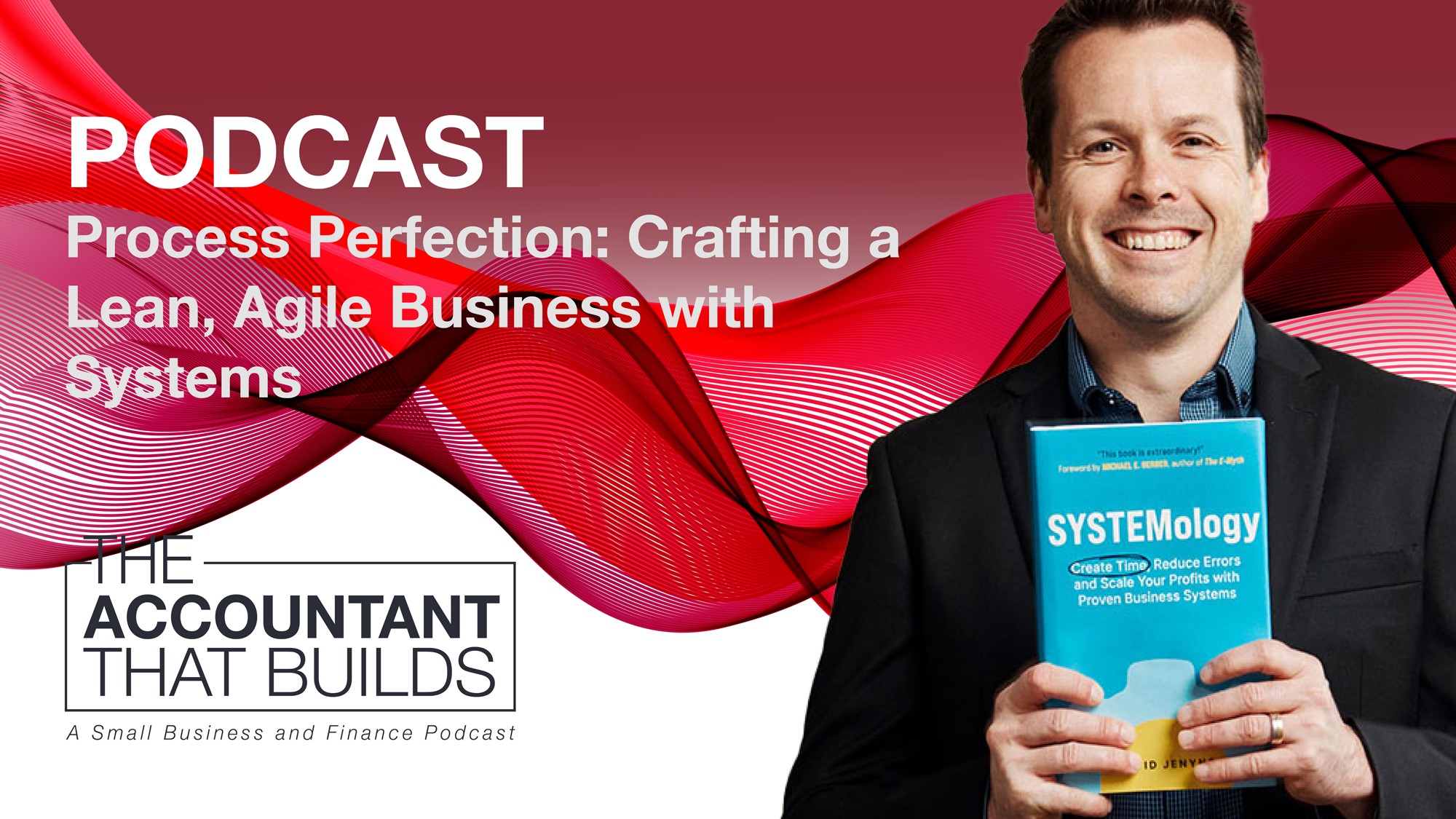
Systemisation is more than just a buzzword—it's a game-changer for businesses aiming to achieve sustainable growth. In our recent podcast episode, I had the chance to explore this topic with Dave Jenyns, the visionary founder of SYSTEMology and SYSTEMhub.
Systemisation is the backbone of a successful business. It is the process of creating repeatable and efficient workflows that streamline operations, reduce stress, and foster growth. This blog explores why businesses should embrace systemisation, how they can implement it, and what types of businesses stand to benefit the most.
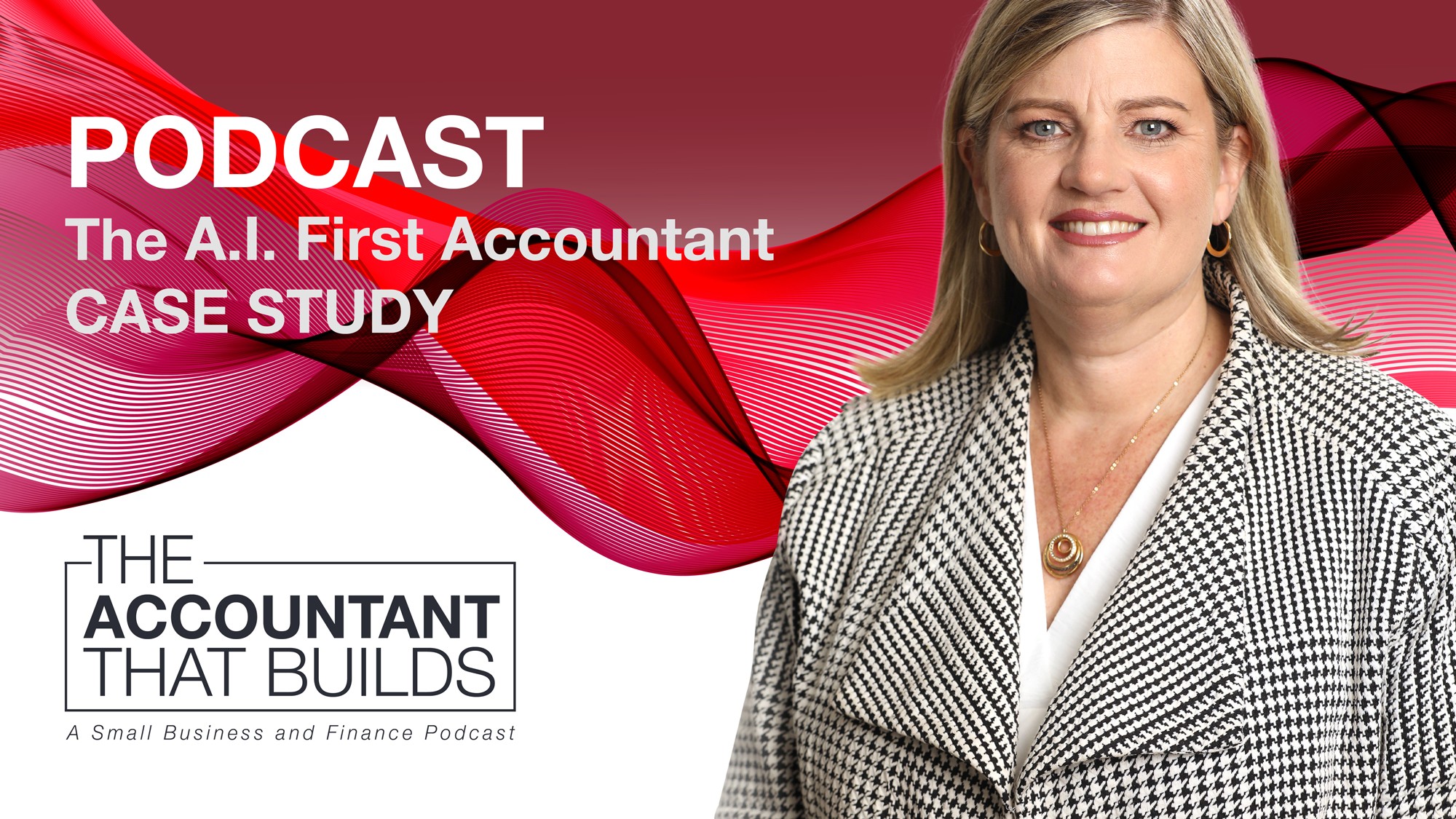
Explore how adopting an AI-first approach can transform businesses! David Jenyns from Systemology chats with Shannon Smit who shares how AI and robotic process automation (RPA) have revolutionised the operations at Smart Business Solutions.
Investment in Australia's commercial property market surged in the second quarter of 2024, with foreign investors leading the charge in major office acquisitions.
Join us for a comprehensive 4-part webinar series designed for small business owners seeking growth and better financial management.
Presented by Shannon Smit from Smart Business Solutions, each session will delve into critical aspects of compliance review framework for
workers and employers, providing practical insights and strategies to help you navigate complex financial landscapes and make informed
decisions.
Rapid population growth, high construction costs, and significant interest rate cuts forecasts will provide a strong tailwind to the sector.
Retirement can feel like a shockwave, particularly if life’s circumstances or a redundancy means that you don’t get to choose the timing.
Understanding and effectively managing excise tax is crucial for the success of distilleries and craft alcohol producers in Australia. With proper planning and strategic execution, businesses can thrive in this heavily regulated yet dynamic market.
Even amidst loss, there are ways to secure a strong financial future for your loved ones. Our advisers are here to help you create a resilient plan with tools like education bonds, ensuring your family's needs are met today and for years to come.
As countries around the world isolate from globalisation, we’re seeing an increasingly fragmented global economy.
With inflation coming off the boil, there was optimism that borrowing costs have peaked and could be lowered later this year. In turn, this could be beneficial for corporate earnings.
Building on the findings from Xero Small Business Insights (XSBI) report, Small business productivity: Trends, implications and strategies, this special report presents industry and regional labour productivity data for small businesses.
Property prices continue to go from strength to strength with new data showing values are once again reaching record highs.
Inflation in Australia is still elevated at 3.6 per cent, managing on a single income is tougher than ever.
The main residence exemption exempts your family home from capital gains tax (CGT) when you dispose of it.
Cost of living pressures is seeing an increasing number of Australians headed for an easier life in regional suburbs.
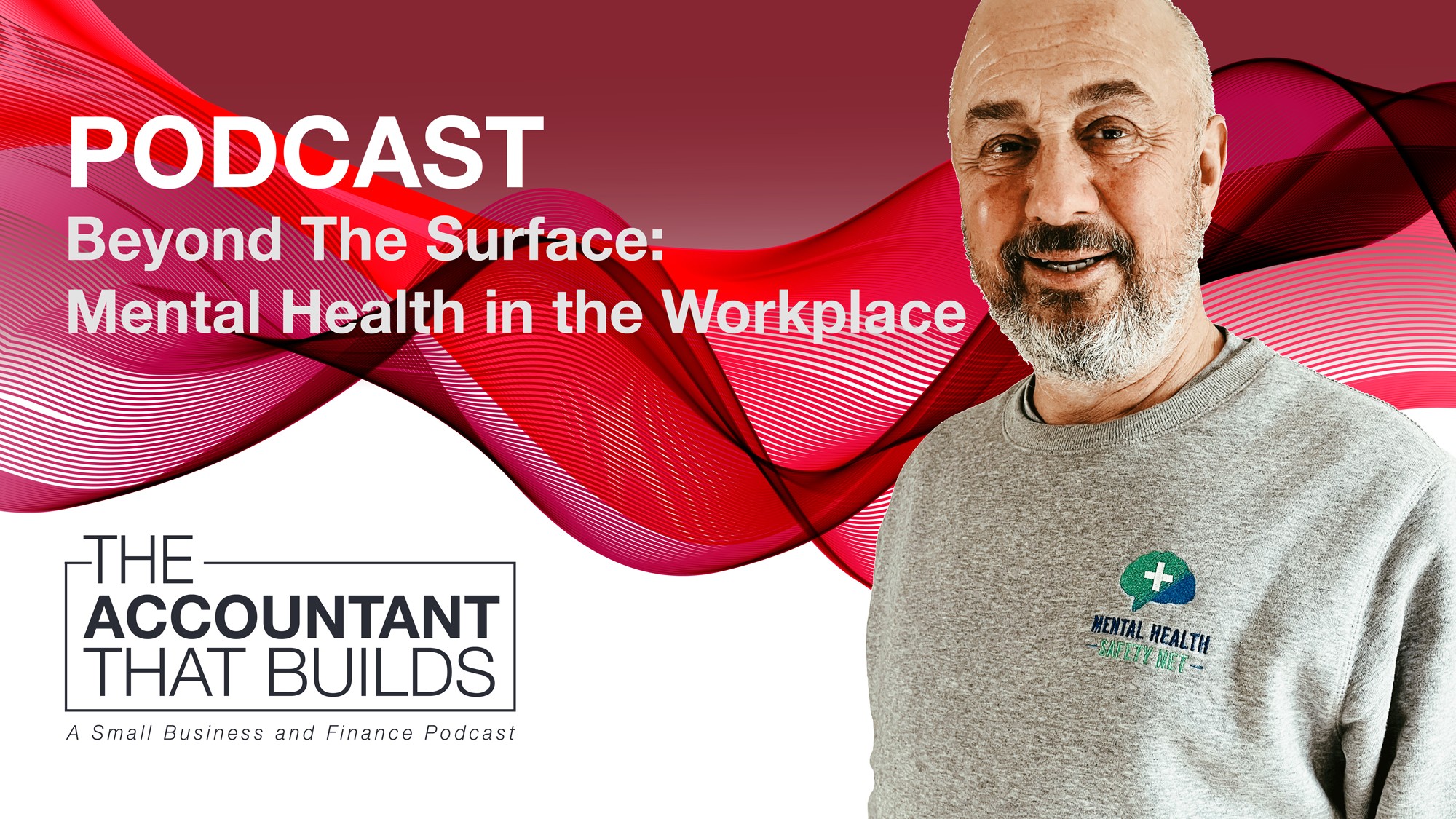
In this podcast, we talk with Mick Simmons, founder of Mental Health Safety Net, a grass-roots organisation that provides suicide awareness training to workplaces and schools. Trigger Warning: This episode has content related to suicide and mental health issues.
Equipment loans are an important financial tool that allows businesses to acquire the necessary machinery and tools without straining their cash flow.
It’s essential that any income earned from sharing economy platforms such as Airbnb, Stayz, Uber, etc., is declared in your tax return.
Legislation increasing the instant asset write-off threshold from $1,000 to $20,000 for the 2024 income year.
As tensions between Australia’s largest companies, their customers, and the federal government flare, companies such as Woolworths, AMP, and Qantas are placing a higher priority on measuring their community reputation.
Australia has become an expensive place to live, so it’s not surprising that the lure to retire at an idyllic, low-cost, offshore location is getting a lot of attention. We discuss the pros and cons.
Will 2024-25 be another year of volatility or a return to stability?
The traditional office is getting a shake-up as landlords are being forced to adapt to new working environments.
In 2023, a 37-year-old mother of two, insured under a life insurance policy, passed away unexpectedly. The life insurance policy provided for her family by covering the mortgage and setting aside funds for her children's private school education.
Investors continue to seek out caravan parks, after a resurgence in the sector during the lockdown years.
We are thrilled to announce that Daniel McCulloch has been promoted to Partner at Smart Business Solutions Group. His promotion to Partner is a testament to his hard work, dedication, and the high level of service he consistently delivers.
Australia has become an expensive place to live, so it’s not surprising that the lure to retire at an idyllic, low-cost, offshore location is getting a lot of attention. We discuss the pros and cons.
Winter deals can help you find a caravan within your price range without compromising on quality.
The End of Financial Year (EOFY) can be a great time if you’re in the market for a new car.
As the EOFY approaches, property investors need to be proactive to ensure they are in the best position to negotiate tax time.
The industrial sector is currently experiencing limited supply and high demand as the population grows.
Using various forms of finance is a viable strategy to ensure you start the new financial year with strong cash flow.
It’s time to take control of your time. It’s time to stop being ‘busy’ and start being ‘productive’. It’s time to learn how to invest your time to create your best life. Kate Christie has taught time to thousands of professionals and business owners around the world – exactly how to find hours of extra time and then design their best lives. What would 30 extra hours a month mean to you?
We are thrilled to announce that SMART Business Solutions Group has been awarded the prestigious Multiservice Firm of the Year at the 2024 Australian Accounting Awards! This recognition is a testament to our commitment to excellence, innovation, and the comprehensive range of services we provide to our valued clients.
Heather Gallagher has spearheaded transformative initiatives in the mortgage broker space through her role as Head of Training and Education at outsource Financial. She has been instrumental in empowering brokers and administrative staff through tailored mentoring programs and weekly learning sessions.
One of the main considerations when applying for a car loan as a casual worker is your income.
Property prices could be about to climb higher with new analysis predicting the major capital cities will see significant growth in the next three years.
Property prices have hit yet another record, with capital city house prices rising by 1 percent.
Accommodation payments (called Refundable Accommodation Deposits – RADs for short) are one of the most misunderstood areas of residential
aged care. Many people don’t realise that a RAD is not “lost” money but is refundable when you leave care or pass away.
Falling behind on your BAS lodgements looks like an administrative problem. Left long enough, it becomes an expensive one, because the GST you collected stays payable indefinitely while the GST credits you are owed disappear after four years. Here is what that looks like in dollars.
With negative gearing now quarantined for established dwellings, new house and land has become the sensible play for investors — but there is a trap in the first eighteen months. Interest on the land is denied, while interest on the construction is not. If the bank has written one loan, someone has to do the sums. Here is why it pays to split the loan before you sign.
When the draft legislation for the trust minimum tax was released, it came with a reassurance: if you do not want to restructure, you can simply make an election instead — no restructure, and no state stamp duty. That is accurate, but it is also a very small part of the decision. Here is why you should choose your structure for the eventual sale of your business, not for the announcement.




































.jpg)