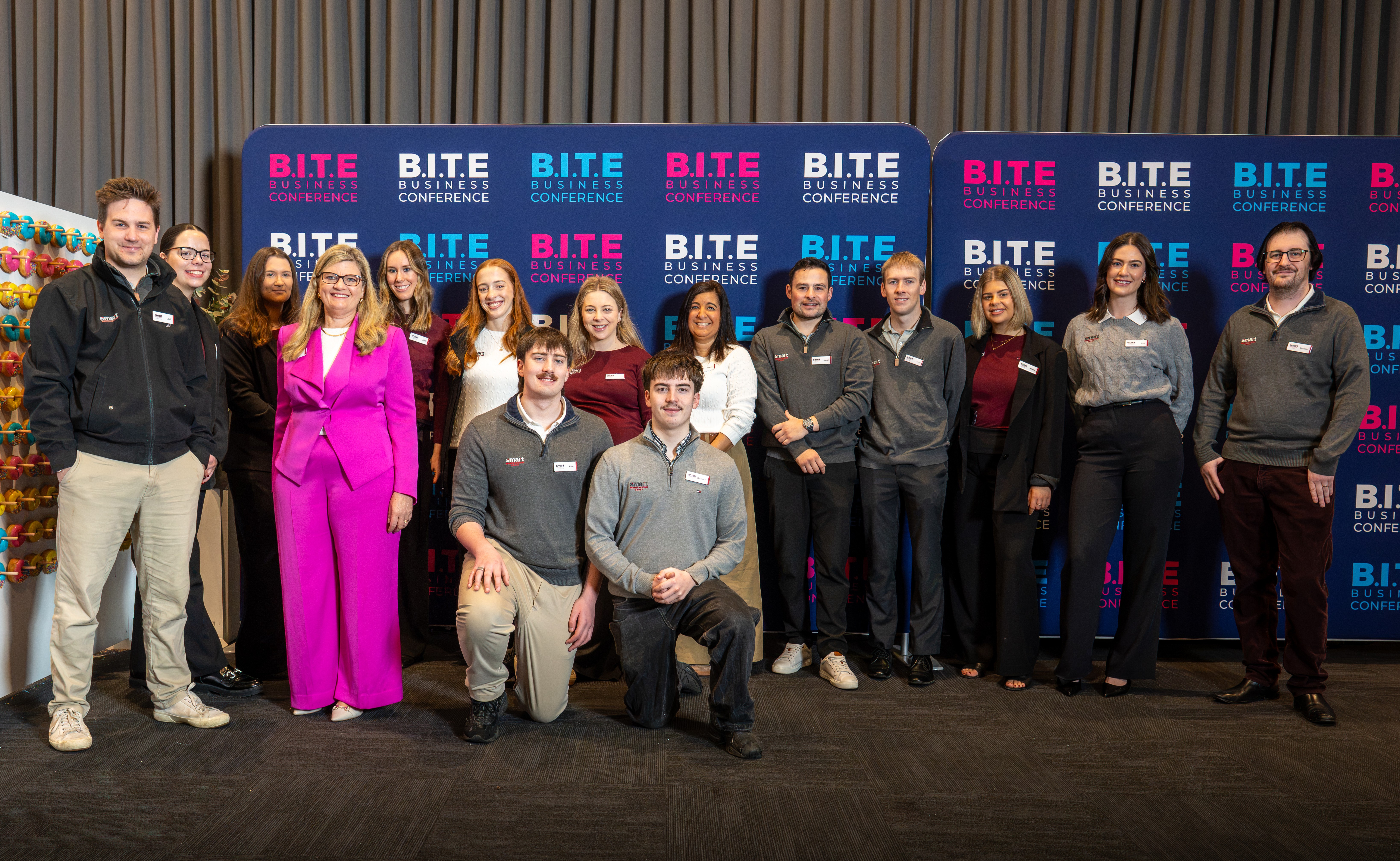
B.I.T.E. Business Conference 2026 brought together business owners, leaders and innovators for a day of inspiration, learning and connection. Take a look back at the highlights from another successful event.
Many SMSF members assume their Will determines who receives their super. However, without the right SMSF arrangements in place, the outcome may not be what you intended.
| Received an ASIC renewal or company review notice in the mail? Before you pay, here's how to spot third-party correspondence and avoid unnecessary costs. |
| Planning to buy property through your SMSF? A key rule change from 10 August 2026 could impact your options. Understanding the deadline now may help you avoid missing an important opportunity. |
| Working more than one job this year? You could end up paying less tax throughout the year and more at tax time. Here's why it happens and how to avoid an unexpected bill. |
The headlines say negative gearing is "gone." For most investors, that is not what the new law does.
From 1 July 2027, the 50% CGT discount will be replaced — for individuals, trusts and partnerships — by two mechanisms working together: indexation of the asset's cost base, and a minimum 30% tax on the resulting net gain.
For many business owners, superannuation is something that gets attention in June — when tax planning comes into focus. But the real opportunity lies in planning your super contributions at the start of the financial year, not the end.
The new financial year has officially clicked over – and with it comes the trio of mid-year obligations every employer needs on the radar: Single Touch Payroll (STP) finalisation, WorkCover declarations, and Payroll Tax annual reconciliation.