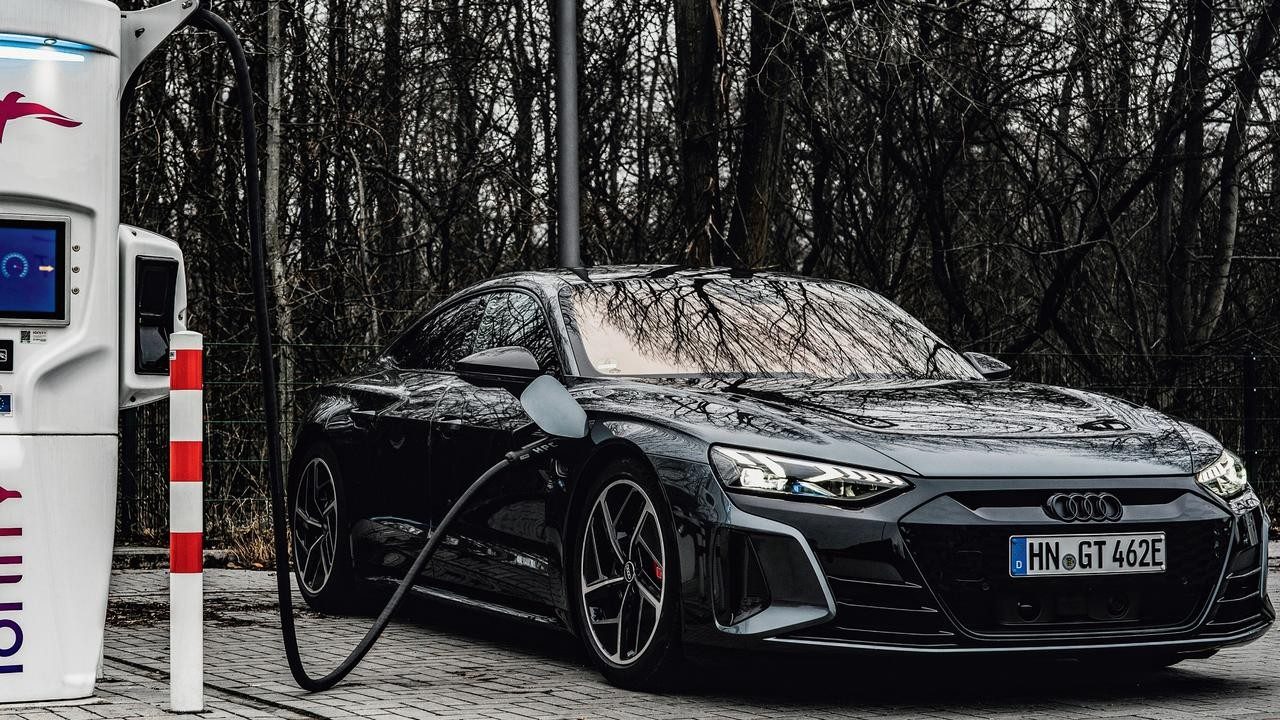
A car fringe benefit commonly arises when an employer makes a car they own or lease available for the private use of an employee. If you conduct your business through a company or trust, you may be an employee of the company or a trust.
A car is made available for private use by an employee on any day the car:
Calculating the Taxable Value
You can calculate the taxable value of a car fringe benefit using either a statutory formula or operating cost method.
Car related Fringe Benefits can be a taxation minefield. If you have questions regarding your business vehicle usage please contact us on
(03) 5911 7000 or send us an email.
Granting employees’ access to company cars is treated by the ATO as a ‘non-cash benefit’, more commonly referred to as a fringe benefit.
New legislation before Parliament, if enacted, will make zero or low emission vehicles FBT-free. We explore who can access the concession and how.
An everyday occurrence across the business landscape in Australia is the practice of taking both existing and potential clients out for a meal to cement the business relationship, with the cost of this meal often covered by one party.
The ATO has signalled that there will be an increased focus on FBT this year. Given the ever-improving tools at the ATO’s disposal, in conjunction with the government’s need to raise additional revenues, it is important that employers ensure they remain compliant with their FBT requirements.
Hiring entertainers, promotional staff or event contractors for your Christmas function could create superannuation obligations you didn't expect.
Helping a family member buy a property may seem straightforward, but the way ownership is structured today could have significant tax consequences years down the track.