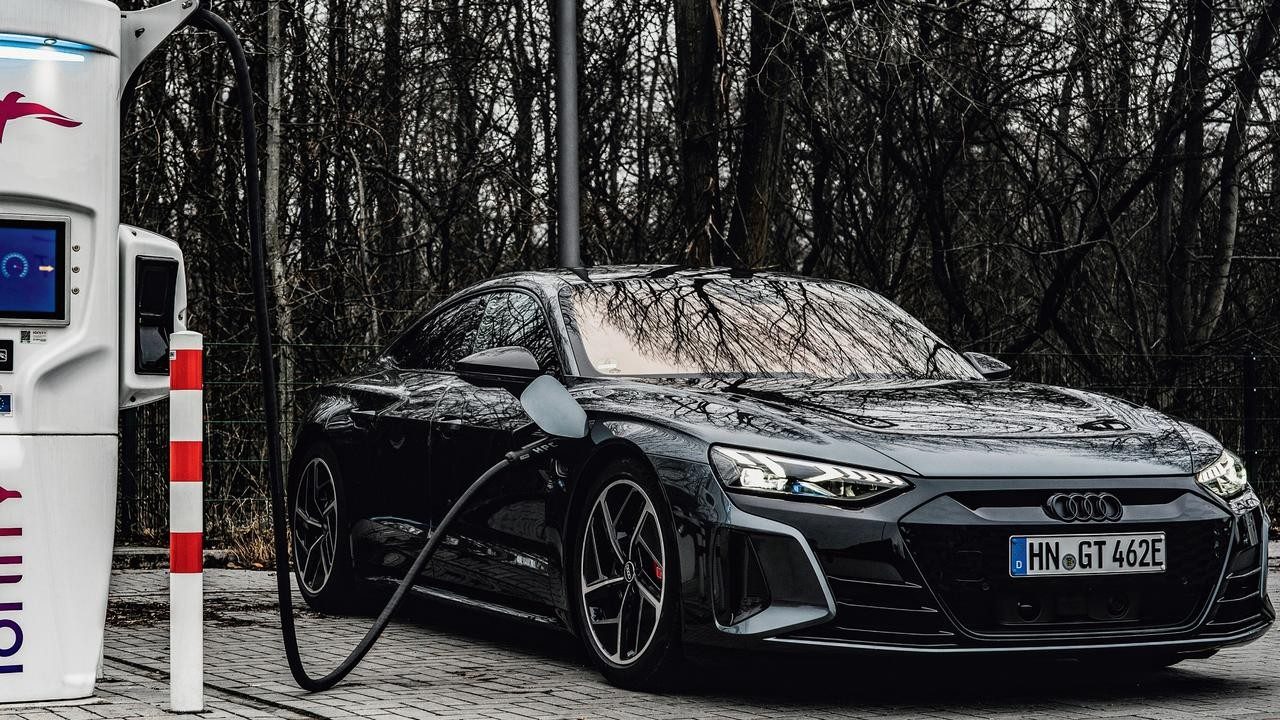
In late 2022, the Government introduced a concession that enables employers to provide some electric
vehicles to employees without incurring the 47% fringe benefits tax (FBT) on private use.
The exemption applies to the use of electric cars, hydrogen fuel cell electric cars or plug-in hybrid electric cars if:
The value of the car is below the luxury car tax (LCT) threshold for fuel efficient vehicles ($89,332 for 2023-24 financial year) at the time it is first sold in a retail sale; and
If your business is planning on acquiring an electric vehicle, be aware that from 31 March 2025, the FBT exemption will no longer apply to
plug-in hybrid electric vehicles unless the vehicle met the conditions for the exemption before this date and
there is already a binding agreement to continue to use the vehicle privately after this date.
The problem areas
Other FBT problem areas
A car fringe benefit commonly arises when an employer makes a car they own or lease available for the private use of an employee.
The Australian Government is revising tax incentives for electric vehicles, including phasing out Fringe Benefits Tax (FBT) exemptions for plug-in hybrid electric vehicles (PHEVs). Businesses providing these vehicles to employees must understand the impact of these changes and take necessary steps before the deadline.
Why should you lodge an FBT return where no FBT is payable? Well, for the simple reason that it turns on a three-year deadline for the ATO to commence audit activities. This is a NEW ATO rule as a result of massive deficits due to COVID. The ATO need to gain more funds somehow...FBT liability is one of the methods.
Granting employees’ access to company cars is treated by the ATO as a ‘non-cash benefit’, more commonly referred to as a fringe benefit.
New legislation before Parliament, if enacted, will make zero or low emission vehicles FBT-free. We explore who can access the concession and how.
An everyday occurrence across the business landscape in Australia is the practice of taking both existing and potential clients out for a meal to cement the business relationship, with the cost of this meal often covered by one party.
The ATO has signalled that there will be an increased focus on FBT this year. Given the ever-improving tools at the ATO’s disposal, in conjunction with the government’s need to raise additional revenues, it is important that employers ensure they remain compliant with their FBT requirements.
Falling behind on your BAS lodgements looks like an administrative problem. Left long enough, it becomes an expensive one, because the GST you collected stays payable indefinitely while the GST credits you are owed disappear after four years. Here is what that looks like in dollars.
With negative gearing now quarantined for established dwellings, new house and land has become the sensible play for investors — but there is a trap in the first eighteen months. Interest on the land is denied, while interest on the construction is not. If the bank has written one loan, someone has to do the sums. Here is why it pays to split the loan before you sign.
When the draft legislation for the trust minimum tax was released, it came with a reassurance: if you do not want to restructure, you can simply make an election instead — no restructure, and no state stamp duty. That is accurate, but it is also a very small part of the decision. Here is why you should choose your structure for the eventual sale of your business, not for the announcement.