1. Your company is making progress
Every business owner dreams of growing and expanding their revenue.
2. Your customers are behind on paying invoices
Many small businesses face this struggle: chasing down customers who owe them money.
3. You’re unsure about your taxes
Having a Bookkeeper in place can help to ensure you stay compliant with GST regulations and understand which BAS reports you need to file.
4. Stakeholders need detailed and accurate financial information on a consistent, regular basis
If you have shareholders and investors associated with your business, it’s important to show them that you can provide them with regular financial reports.
5. You don’t see a rise in profits, even as your sales grow
Just because your company is making more in sales doesn’t necessarily mean more profits are rolling in. If your numbers savings are up, perhaps your overhead costs are as well.
The bookkeeping team at Smart Business Solutions Group is happy to provide a closer look at your current data to help you find more savings. We provide tailored services that allows you to get better results. Contact us for a free no-obligation consultation to discuss your needs and learn more about our services.
AI-Enhanced Automation for Accounting and Finance Professionals: Leveraging ChatGPT, Copilot & Claude for Innovation and
Productivity.
Join SkyBots’ 2-day Workshop in GOLD COAST with automation expert Daryl Aw to revolutionise your workflow using
cutting-edge Agentic AI tools including Chat GPT, Claude, CoPilot and Gemini. This workshop is built for accountants,
bookkeepers, finance teams, and business owners who want to move beyond basic prompts and turn AI into a reliable, ethical, and practical
system for everyday work.
AI-Enhanced Automation for Accounting and Finance Professionals: Leveraging ChatGPT, Copilot & Claude for Innovation and
Productivity.
Join SkyBots’ 2-day Workshop in MORNINGTON with automation expert Daryl Aw to revolutionise your workflow using
cutting-edge Agentic AI tools including Chat GPT, Claude, CoPilot and Gemini. This workshop is built for accountants,
bookkeepers, finance teams, and business owners who want to move beyond basic prompts and turn AI into a reliable, ethical, and practical
system for everyday work.
LIVE INFORMATION EVENING
Wednesday 7 October, 5:30-7:30pm
Most families don't start thinking about retirement living or aged care until they're forced to make decisions quickly. Join us for an informative evening covering retirement living, future care planning, downsizing considerations, aged care costs, estate
preservation and strategies to help families make informed decisions before they become urgent. Designed for retirees, adult children and families looking to better understand their options and plan ahead with confidence.
As income grows, it's easy for spending to grow with it. This article explores practical strategies to help you make the most of your strongest earning years and build greater financial freedom for the future.
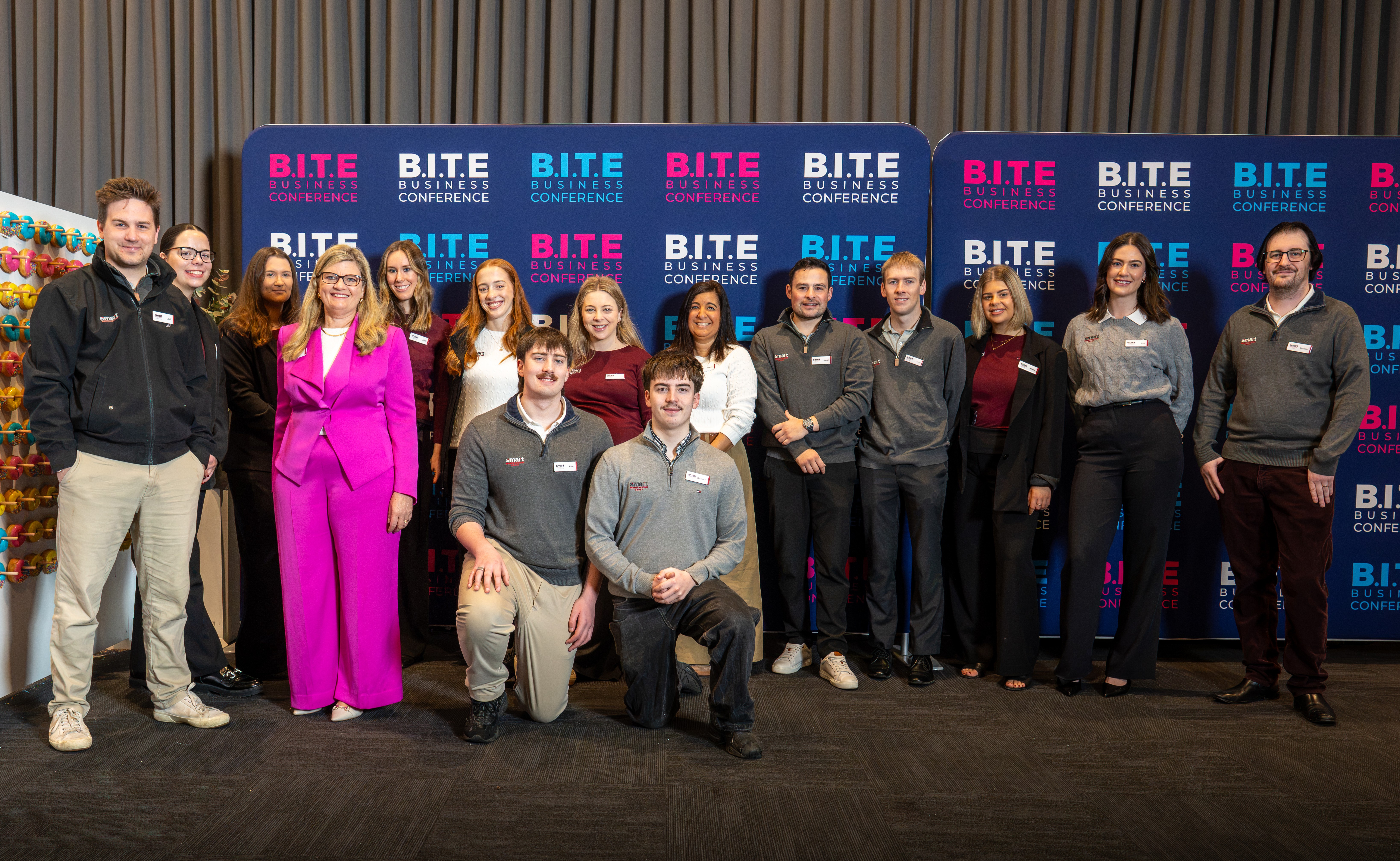
B.I.T.E. Business Conference 2026 brought together business owners, leaders and innovators for a day of inspiration, learning and connection. Take a look back at the highlights from another successful event.
.png)
.png)
.png)